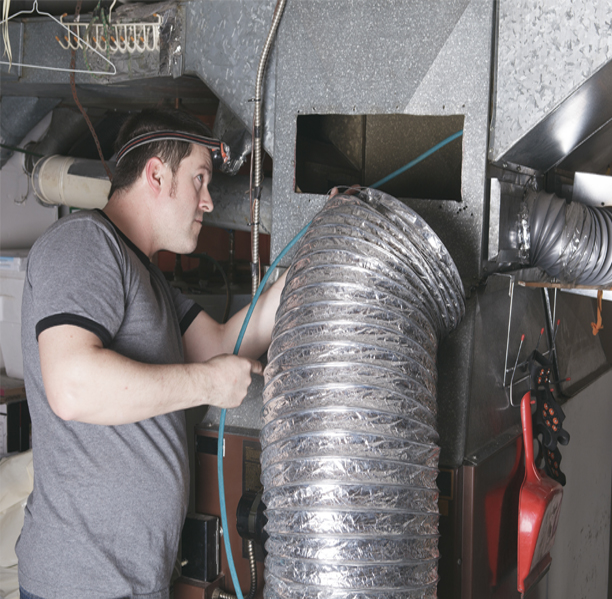
It’s a hot October afternoon in Hallandale Beach, the kind of damp heat that keeps the air conditioner running past sunset. You’re in the kitchen, the thermostat reads 75°F, and the blower sounds like it’s working harder than it should. That extra strain is a hint that the air ducts are choking on dust that’s been building up for months.
Instead of guessing how dirty the ducts might be, you can set up a simple photo log. A few quick snapshots every few months give you a clear, visual record of the dirt that’s creeping into your home’s invisible highway. With a photo log you can spot a sudden spike in grime, catch a seasonal build‑up, and decide when a professional cleaning is actually worth it.
By taking a photo of your duct vents at the same spot each month, you can track dust accumulation over time. A monthly photo log lets you see whether dirt levels are creeping up, staying flat, or dropping after a cleaning. This visual diary is a quick, cost‑free way to decide when to schedule a duct service.
What does a typical duct look like before and after a cleaning?
Most homeowners see the inside of a vent as a grayish‑white panel. When a duct is clean, the panel is bright and the dust layer is thin—usually less than a quarter of an inch. After months of use, dust can pile up to a full inch, especially in rooms that are rarely opened or in homes with pets. The difference is easy to spot: a clean vent feels smooth to the touch; a dirty one feels gritty and has a visible layer of fine, tan dust.
How do I set up a consistent photo log?
- Choose a fixed spot. Pick one vent that’s easy to see from a single angle—usually the kitchen or living room. Mark the floor with a small sticker or a piece of tape so you always line up your camera the same way.
- Use the same lighting. Take the photo in the same part of the day, such as after the sun has moved past the window but before the lights turn on. This keeps shadows and glare consistent.
- Keep the camera steady. Use a tripod or a stable surface. If you’re using a phone, hold it at arm’s length and keep it level.
- Label each photo. Add the date and room name in the caption or as a watermark. A quick note like “June 2024 – Kitchen vent” keeps the sequence clear.
When should I expect to see a noticeable change in the photo log?
In a home with pets or kids, you’ll usually see a visible film on the vent within a month or two; in a quieter apartment it takes longer. The photo log makes the trend obvious: a slow, steady graying is normal, but a sudden jump — the vent going from dusty to caked between two monthly photos — means something changed, like a renovation, a storm that pulled in debris, or a filter that’s overdue. That’s when a professional cleaning is worth it.
What tools do I need for a DIY duct photo log?
A simple smartphone with a good camera is enough. For sharper images, use a lens attachment that reduces glare. If you want to measure the dust thickness, a ruler or a small measuring tape can help you estimate the layer in millimeters. Keep the tools handy in a small bag so you can grab them quickly each month.
How often should I take photos?
Monthly is the sweet spot. Taking a photo every two weeks gives you more data, but it can feel like a chore. If you’re watching for seasonal spikes—like after a hurricane or during the dry winter months—adjust the schedule accordingly. The key is consistency; the same spot, same angle, same lighting.
What can I do if I notice a sudden spike in dust?
A quick fix is to vacuum the vent cover with a hose attachment. A photo log will show you whether the spike was a one-time event — a storm, construction nearby — or a trend. If the dust keeps climbing after a vacuuming, that’s your signal to call a pro: surface vacuuming only reaches the vent cover, not the duct runs behind it.
What are the common myths about duct cleanliness?
Many people think a clean vent means the whole duct system is clean. That’s not true. Dust can accumulate along the duct walls far from the vent, especially in long runs or bends. A photo log of the vent only shows surface dust; a professional assessment uses a camera that slides into the duct to see hidden buildup.
How does humidity affect dust buildup?
Hallandale Beach humidity changes the picture: damp air makes dust sticky, so it clings to duct walls instead of settling where you can see it. That’s why a vent can look only mildly dusty while the duct behind it is loading up — and why the kitchen vent often shows the thickest layer after a rainy stretch. Your photo log catches exactly this kind of surprise.
What’s the next step after building a photo log?
Review the trend. If the dust layer is growing steadily, schedule a professional cleaning. If it’s flat or decreasing, you’re probably keeping the ducts clean enough. Either way, a photo log gives you data to decide without guessing.
The video below is a dryer-vent cleaning walkthrough from the DIY channel Workshop In The Pines — worth watching because dryer vents collect the same kind of lint and dust you’ll be photographing in your duct photo log, and it shows what heavy buildup actually looks like up close.
It’s a start-to-finish cleaning: what the vent looks like before (packed lint you can’t see from outside), pulling the buildup out by hand and with a brush, running the dryer to check that airflow is strong again, and what to look for on the outside vent cap so it doesn’t clog back up. The big takeaways translate directly to your photo log: buildup hides where you can’t see it, a vent that looks “fine” from the room can be half-blocked behind the cover, and the difference in airflow before and after is something you can feel with your hand. Watch it once and you’ll know exactly what you’re documenting in those monthly photos — and what a vent looks like when it’s genuinely time to call a pro.
When to call us
DIY is great, but some jobs need a pro. If your photo log shows a sudden spike in dust, the vents start rattling, or airflow drops in one room, call (754) 432-8931 — Hallandale Air Duct Care serves Hallandale Beach and Broward (Mon-Sat 8AM-8PM). No pressure, no upsells.