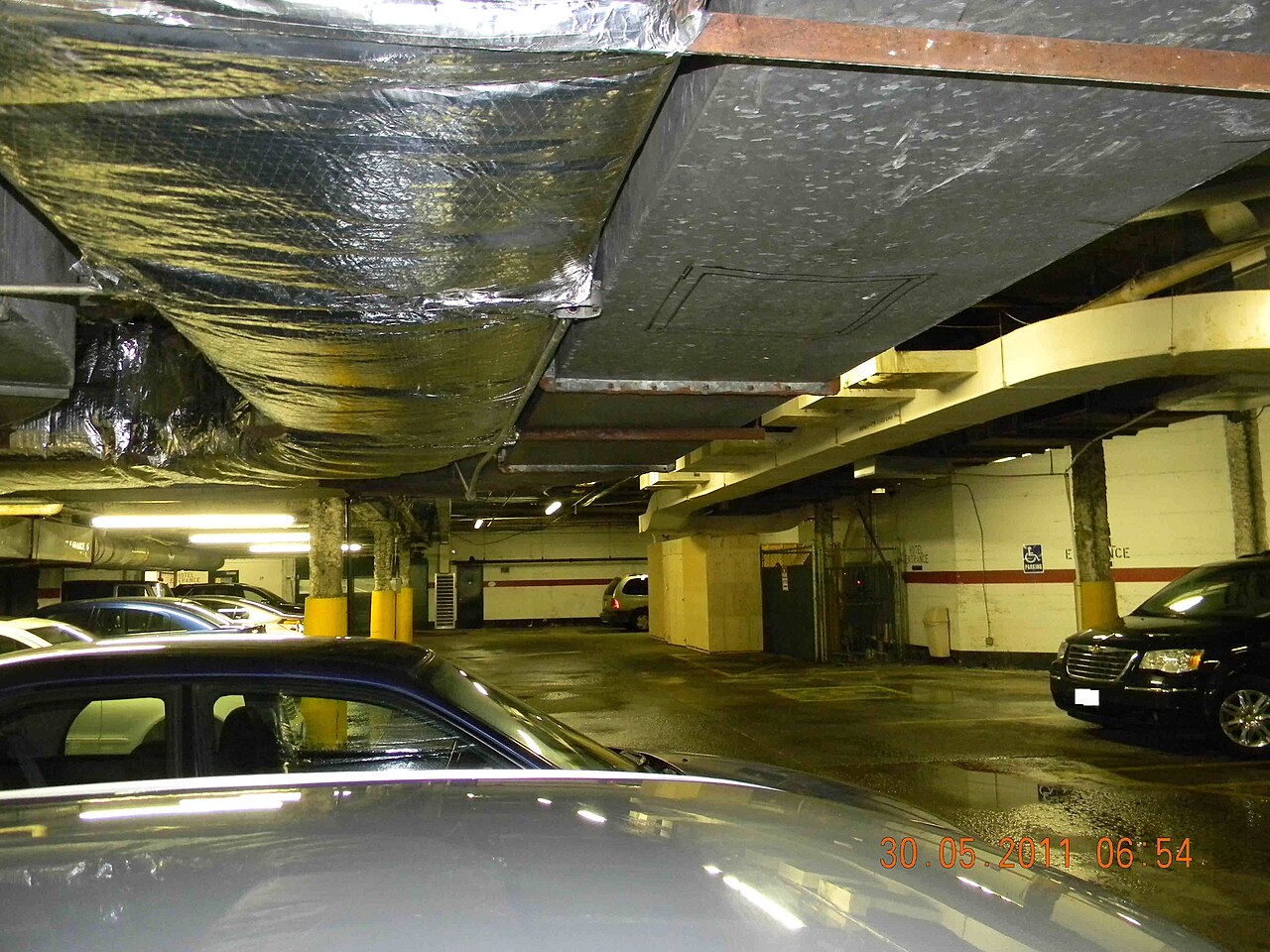
 The humidity hangs thick over Hallandale Beach in late October, the kind that makes your shirt stick before you've walked to the mailbox. You're sitting on the lanai off NE 10th Avenue, iced tea sweating in your hand, when you hear it — a faint skittering above the ceiling tiles, right where the main trunk line runs toward the bedrooms. A few mornings later, you spot small dark pellets on the vent cover in the guest bath. Rats. Or maybe mice. They've found a gap where the flex duct meets the boot, and now they're treating your air handler like a highway. The smell hits you next — musky, sharp, every time the blower kicks on. You know sealing those gaps is the only way to stop them, but the hardware store aisle shows three kinds of tape, two types of mesh, and a bucket of gray paste that looks like spackle. Which one actually holds up in a South Florida attic?
Why do pests get into ductwork in the first place?
Duct systems aren't built airtight from the factory. Every joint — where a round pipe meets a rectangular boot, where flex duct slides over a metal collar, where two trunk lines connect — leaves a tiny gap. In a South Florida attic, those gaps expand and contract with temperature swings that can hit 130 degrees in July. The metal moves. The tape dries out. The foil facing on flex duct tears. A mouse only needs a hole the size of a dime. A rat needs a quarter. Once they're in, they chew insulation for nesting, leave droppings that dry and blow into your living room, and die in places you can't reach. The blower then spreads that contamination through every supply register in the house. Think of your duct system like a screen door. If the screen has a tear, bugs walk right in. Mesh is the new screen. Mastic is the caulk that glues the screen to the frame so nothing slips around the edges.What is hardware cloth and why not just use tape?
Hardware cloth is stiff woven wire mesh, usually galvanized steel, sold in rolls at any hardware store. The 1/4-inch grid stops mice and rats cold — their skulls won't fit through. Chicken wire (1-inch or 2-inch holes) won't work; a juvenile rat slips right through. Window screen mesh rusts in months. Drywall tape tears if a pest pushes on it. Foil tape loses adhesion in attic heat. Hardware cloth holds its shape, resists chewing, and lasts decades. You'll see it labeled "hardware cloth" or "welded wire mesh." Look for 1/4-inch openings, 23-gauge or heavier, galvanized finish. A 2-foot by 10-foot roll costs roughly $15–$20 and covers dozens of joints.What is mastic and how is it different from duct tape?
Mastic is a thick, water-based paste that stays flexible after it dries. UL 181-rated mastic (look for the mark on the bucket) is tested for use on duct systems — it won't crack when the metal expands, won't melt in attic heat, and won't feed mold. Duct tape, despite the name, fails on ducts. The adhesive dries out in 6–12 months, the foil backing delaminates, and you're left with a gap again. Mastic bridges gaps up to 1/4 inch on its own. For larger holes, you bridge with mesh first, then coat the mesh with mastic. Picture peanut butter on bread. The bread is your duct joint. The peanut butter is mastic — it fills every crevice and sticks to both sides. If the hole is bigger than the peanut butter can span, you lay a piece of mesh over it like a patch, then spread peanut butter over the mesh to lock it down.What tools and materials do I need before I start?
Gather these before you climb into the attic:- Galvanized hardware cloth, 1/4-inch mesh, 23-gauge or heavier
- UL 181-rated mastic (1-gallon pail covers roughly 100 linear feet of joint at 1/8-inch thickness)
- Disposable chip brushes or a 2-inch paintbrush you don't mind throwing away
- Tin snips or heavy scissors for cutting mesh
- Work gloves — leather or cut-resistant
- Knee pads or a piece of plywood to kneel on
- Headlamp (attic lighting is usually nonexistent)
- Dust mask rated N95 or better
- Shop vacuum with HEPA filter for cleanup
How do I find every gap that needs sealing?
Turn the system on. Feel for air escaping with your hand — a cool draft in summer, warm in winter. Shine a bright flashlight along every joint: supply plenums, return drops, flex-to-metal connections, register boots, the air handler cabinet seams. Look for daylight showing through from the other side. Look for insulation pulled away or torn. Look for rub marks — dark smudges where fur has brushed repeatedly. Mark each spot with a piece of masking tape or a lumber crayon so you don't miss any when you're up there working. A typical 2,000-square-foot home in Broward has 15–25 accessible joints. Older homes with multiple additions can have 40+. Take your time. Missing one gap is like leaving one window open.How do I install the mesh and mastic step by step?
- Clean the surface. Brush away loose insulation, dust, and cobwebs. Mastic won't stick to dirty metal. If there's old tape peeling, pull it off.
- Cut the mesh. Snip a piece that overlaps the gap by at least 1 inch on all sides. For a round flex-to-collar joint, cut a strip long enough to wrap around with a 1-inch overlap.
- Apply a base coat of mastic. Brush a thin layer (about 1/16 inch) over the gap and the surrounding metal where the mesh will sit. This helps the mesh bed down.
- Press the mesh into the wet mastic. Work it in with your gloved fingers or the brush. No wrinkles, no lifted edges.
- Cover the mesh completely with a second coat. Brush mastic over the entire patch, feathering the edges onto the bare duct. Aim for 1/8-inch total thickness — about the thickness of two quarters stacked. You should not see the mesh pattern through the wet mastic.
- Let it cure. Mastic skins over in about an hour and fully cures in 24 to 48 hours depending on attic heat and humidity. Don't run the system hard while it's wet — air pressure can push through uncured mastic. Give it the full cure time before you call the job done.
- Test your work. Turn the system on and feel around every patched joint with the back of your hand. No air movement means a good seal. Shine the flashlight along the joints again — no daylight, no gaps, no whistling. If you find a spot you missed, brush on another coat and let it cure.
How long does a mastic-and-mesh seal last?
A proper mastic-over-mesh patch lasts 15 to 20 years in an attic. It flexes with the metal instead of cracking, it doesn't dry out the way tape adhesive does, and pests can't chew through the galvanized mesh underneath. Check your patches once a year — when you're up there changing the filter is a good reminder. If an edge ever lifts, brush on another coat of mastic and you're good.
The video below shows a DIYer replacing HVAC flex duct — hands-on work on the same kind of duct joints and connections this guide has you sealing:
The video walks through replacing flex duct on an HVAC system — disconnecting old runs and fitting new ones onto the collars and boots. Watching those connections come apart and go back together shows you exactly where the gaps form: every joint is a place air (and pests) can get through. That's why the mesh-and-mastic method in this guide holds where tape fails — the mesh bridges the gap physically and the mastic locks it down airtight. Key takeaway: treat every duct joint like a future entry point and seal it before something finds it.
When to call us
DIY is great, but some jobs need a pro. If the problem persists, you spot anything dangerous, or you'd rather have an expert handle it, call (754) 432-8931 — Hallandale Air Duct Care serves Hallandale Beach and Broward (Mon-Sat 8AM-8PM). No pressure, no upsells.