 ```html
You’re in your Hallandale Beach home on a sweltering July afternoon, the kind where the AC feels like a lifeline. You open a vent in the living room and notice something odd—the airflow feels stronger than usual, but the air smells stale, like it’s been sitting for days. Maybe it’s time to check your ducts, but how do you know which is which? Supply ducts bring in fresh, cooled air, while return ducts pull it back out. Without the right setup, your system works harder than it needs to—and that means higher bills and less comfort.
Supply ducts carry conditioned air from your HVAC system into your home, while return ducts pull stale air back to the system. Look for the direction of airflow: supply ducts usually have a wider opening with a smooth grill, while return ducts often have a narrower opening with a vent that might have a damper or a slightly rougher texture. There are two types — supply and return — each with distinct visual clues.
How do I know which vent is which in my Hallandale Beach or Broward home?
If you’ve ever stood in front of a wall of vents wondering which one does what, you’re not alone. The difference between supply and return ducts isn’t always obvious, but once you know what to look for, it becomes clear. Start by checking the airflow direction—supply ducts push air into the room, while return ducts pull it away. You can also test it by holding your hand near the vent: if the air feels cool and fresh, it’s likely a supply duct. If it feels warm or stale, it’s probably a return duct. Another quick way to tell is by the vent design: supply ducts often have a wider opening with a smooth grill, while return ducts might have a narrower opening or a damper.
What’s the difference between supply and return ducts in terms of airflow?
Supply ducts are like the delivery trucks of your HVAC system—they bring fresh, cooled air straight from the air handler into your living spaces. Return ducts, on the other hand, are the return path: they pull the stale air back to the system so it can be cleaned and cooled again. Think of it like a one-way street for air. Supply ducts have a unidirectional flow (air moves *into* the room), while return ducts have air moving *toward* the system. This difference in airflow direction is the most reliable way to identify them without touching anything.
Here’s a quick test you can do: turn on your HVAC system and feel the airflow near each vent. Supply vents will push air *out* toward you, while return vents will pull air *into* the vent. If you’re unsure, you can also check the vent covers—supply vents often have a wider, flatter design, while return vents might have a more rectangular or slotted cover.
Can I tell the difference just by looking at the vent cover?
Yes! Vent covers are designed differently for a reason. Supply duct covers are usually wider and flatter, with a smooth surface that allows air to flow freely into the room. Return duct covers, however, tend to be narrower and might have a damper—a sliding or rotating part that can be adjusted to control airflow. Some return vents also have a more textured or ribbed surface to help direct air back toward the system. If you’re looking at a vent and it feels smooth and wide, it’s likely a supply duct. If it’s narrower with a damper or a more complex design, it’s probably a return duct.
Another visual clue is the size of the opening. Supply ducts often have larger openings to maximize airflow into the room, while return ducts might have smaller openings to efficiently pull air back without creating too much resistance. If you’re standing in your Hallandale Beach home and notice a vent that looks like it could fit a basketball through it, it’s probably a supply vent. If it’s more like a narrow slot, it’s likely a return vent.
Why does it matter whether I know which is which?
Knowing the difference between supply and return ducts helps you understand how your HVAC system works—and that’s key to keeping it running efficiently. If you’re dealing with uneven airflow, strange noises, or higher-than-usual energy bills, it might be time to check your ducts. For example, if your supply ducts are clogged, your system will work harder to push air through, which can lead to higher energy costs and reduced comfort. Similarly, if your return ducts are blocked, your system won’t be able to pull stale air back efficiently, which can cause poor air quality and even damage to your HVAC equipment.
Here’s another reason: if you’re planning to clean or maintain your ducts, you’ll want to focus on both supply and return paths. Supply ducts need to be clear so fresh air can flow freely, while return ducts need to be unobstructed so stale air can be pulled back to the system. If either is blocked, your whole system suffers. That’s why regular duct cleaning—especially in humid South Florida—is a smart move to keep your air flowing smoothly and your home comfortable.
What should I do if I notice something wrong with my supply or return ducts?
If you suspect your ducts are clogged, damaged, or just not working right, it’s time to take action. Start by checking for visible blockages like dust buildup, debris, or even pests. If you see significant buildup—especially in areas with high humidity like Hallandale Beach—it’s a sign your ducts need professional cleaning. You might also notice strange smells, weak airflow, or uneven temperatures in different rooms. These are all red flags that your ducts could be contributing to poor air quality or inefficient operation.
If you’re not comfortable checking the ducts yourself—or if you suspect there’s a deeper issue—it’s best to call in a professional. A trained technician can inspect your supply and return ducts, identify any blockages or damage, and perform a thorough cleaning to restore proper airflow. Regular duct cleaning isn’t just about comfort; it’s also about protecting your HVAC system’s lifespan and ensuring your home stays healthy, especially in our humid climate.
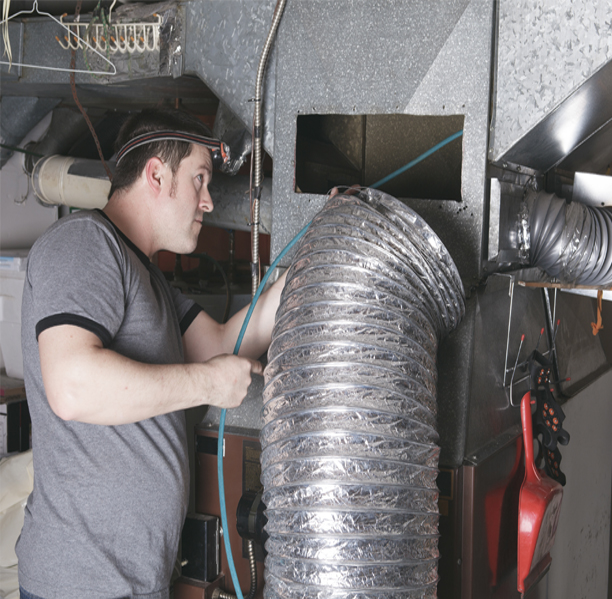
This beginner-friendly DIY video walks through air duct cleaning and maintenance on a real home system. As you watch, you'll see supply and return vent styles up close — vent covers, grills, and the airflow direction the host points out while working. It doubles as a practical visual reference for the vent differences described above, and it's a handy guide if your own inspection shows the ducts themselves need attention.
What to watch for in the video:
- Supply ducts push air into the room and often have wider, smoother vent covers.
- Return ducts pull air back toward the system and may have narrower openings or dampers.
- You can test airflow by holding your hand near the vent—supply ducts push air out, while return ducts pull air in.
- If your vents feel clogged or airflow is weak, it might be time for a professional duct cleaning.
When to call us
If you’re dealing with weak airflow, strange smells, or uneven temperatures in your Hallandale Beach or Broward home, it might be time to call in the professionals. Hallandale Air Duct Care specializes in identifying and cleaning supply and return ducts to restore proper airflow and improve air quality. Our technicians can inspect your ducts, remove blockages, and perform a thorough cleaning to ensure your HVAC system runs efficiently. Don’t wait until your ducts are causing bigger problems—call us today at (754) 432-8931 to schedule a service.
```