On a humid Saturday in Hallandale, the sun is already high on the skyline and the neighborhood hums with kids playing in the streets of Atlantic Ave. Mrs. Lopez, who lives on the corner of 5th Street, hears a faint, musty scent drifting from her living room whenever she turns on the air handler. She wonders if the air coming out of her vents is clean or if something inside her duct system is stuck.
Return duct cleaning is a DIY task you can tackle by removing the vent grille, vacuuming the return slot, and brushing away dust. Most return grilles are roughly the size of a folded newspaper, and you can clean one in well under an hour with basic tools.
What Are Return Ducts and Why Do They Need Cleaning?
Return ducts are the passages that bring stale air back from your rooms into the HVAC system. They sit behind the vents that supply fresh air to each room. Over time, dust, pollen, and debris build up in these return slots. When that buildup gets thick, it creates resistance, forcing the blower to work harder. You’ll notice the AC runs longer, the temperature takes longer to reach the set point, and the air may carry a stale or musty smell.
How Can I Locate the Return Vent Grilles?
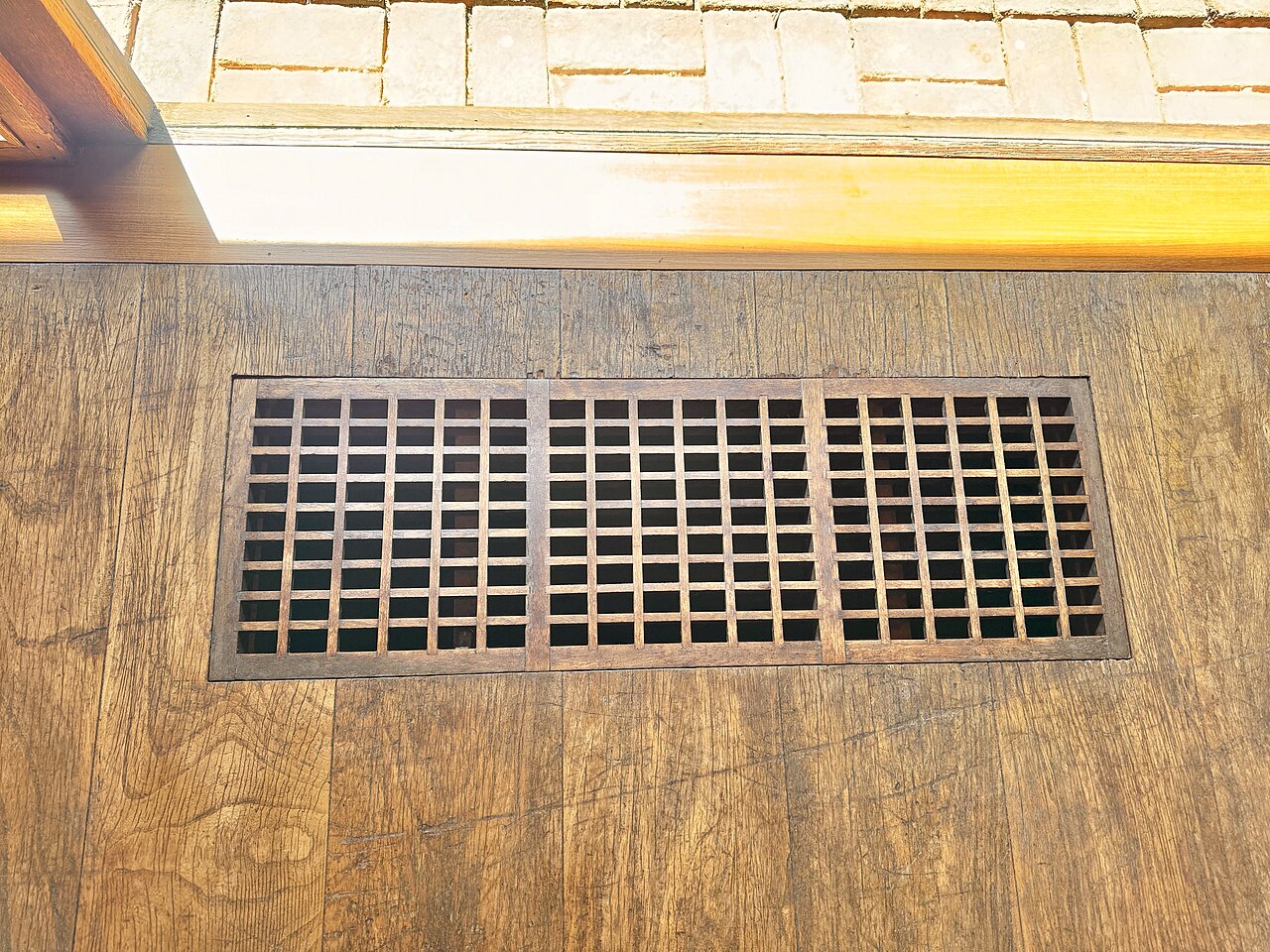
Return vents are usually found on the lower wall or floor of each room, opposite the supply vent. In Hallandale homes, the most common places are the living room, study, and bedrooms. Look for a metal or plastic grille about the size of a standard kitchen window. If you’re unsure, flip the air handler on and watch where the air comes in; that’s the return side.
What Tools Do I Need to Clean a Return Duct?
- Handheld vacuum with a long hose or a shop vacuum with a couple-foot hose
- Soft‑bristle brush or a small paintbrush
- Flat screwdriver or a flathead knife to pry the grille off
- Gloves and a mask (optional but helpful)
- Light source (flashlight or headlamp)
All of these items can be found in a typical home or at a local hardware store. The vacuum’s hose should be long enough to reach the return slot without strain.
How Do I Remove the Return Vent Grille Safely?
- Turn off the HVAC system at the thermostat or the breaker to avoid any electrical issues.
- Place a towel or sheet on the floor to catch any dust that falls.
- Use the flat screwdriver to pry the grille away from the wall. Most grilles are held by a few screws or clips.
- Once removed, set the grille aside on a clean surface. It’s usually a flat metal plate that can be reused.
What Does the Cleaning Process Look Like?
- Vacuum the Return Slot: Insert the long hose into the return opening and vacuum until the dust stops coming up. The vacuum pulls dust and small debris into the bag or canister.
- Brush the Interior: Take the soft‑bristle brush and gently scrub the walls of the return slot. Move in a circular motion to loosen any adhered particles. The brush will catch larger clumps that the vacuum can’t reach.
- Wipe the Grille: While the grille is still off, wipe it with a damp cloth. If it’s very dirty, use a mild soap solution, rinse, and let dry before reinstalling.
- Reinstall: Snap or screw the grille back into place. Make sure it’s snug so no gaps remain that could let air escape.
- Test the System: Turn the HVAC back on and feel the airflow from the return vent. It should feel less restricted and free of dust.
Repeat this process for each return vent in the house. If you notice a persistent odor or a sudden drop in airflow after cleaning, it may indicate a deeper issue that a professional can diagnose.
I Watch For During the Cleaning?While cleaning, listen for any unusual sounds from the blower—like grinding or rattling. These can signal mechanical problems. Also, watch for moisture or mold on the duct walls; if you spot it, stop and call a professional. A clean return vent will feel smooth and dry to the touch, with no visible dust layers.
What Are the Common Mistakes Homeowners Make?
Many people try to clean return ducts with a regular vacuum hose that’s too short, leaving dust in the walls. Others forget to turn off the system, creating a safety hazard. A common error is to just scrape the grille without cleaning the return slot itself. These mistakes can leave the duct still clogged and reduce the benefit of your cleaning effort.
How Long Does a Typical Return Vent Cleaning Take?
With a hand‑held vacuum and a brush, a single return vent usually takes under an hour, including removal, cleaning, and reinstallation. Budget an afternoon if your house has three or four of them.
When Should I Call a Professional Instead of DIY?
If you find mold, water damage, or a buildup thicker than a few millimeters, it’s best to call a pro. Also, if you notice any electrical sparks or a persistent odor that doesn’t improve after cleaning, a technician can assess for hidden leaks or system issues.
The video below is a DIY walkthrough of cleaning a return vent grille — removing the grille, vacuuming out the slot, and putting it back in place. A good companion to the steps above if you'd rather watch than read.
When to call us
DIY is great, but some jobs need a pro. If the problem persists, you spot anything dangerous, or you'd rather have an expert handle it, call (754) 432-8931 — Hallandale Air Duct Care serves Hallandale Beach and Broward (Mon-Sat 8AM-8PM). No pressure, no upsells.