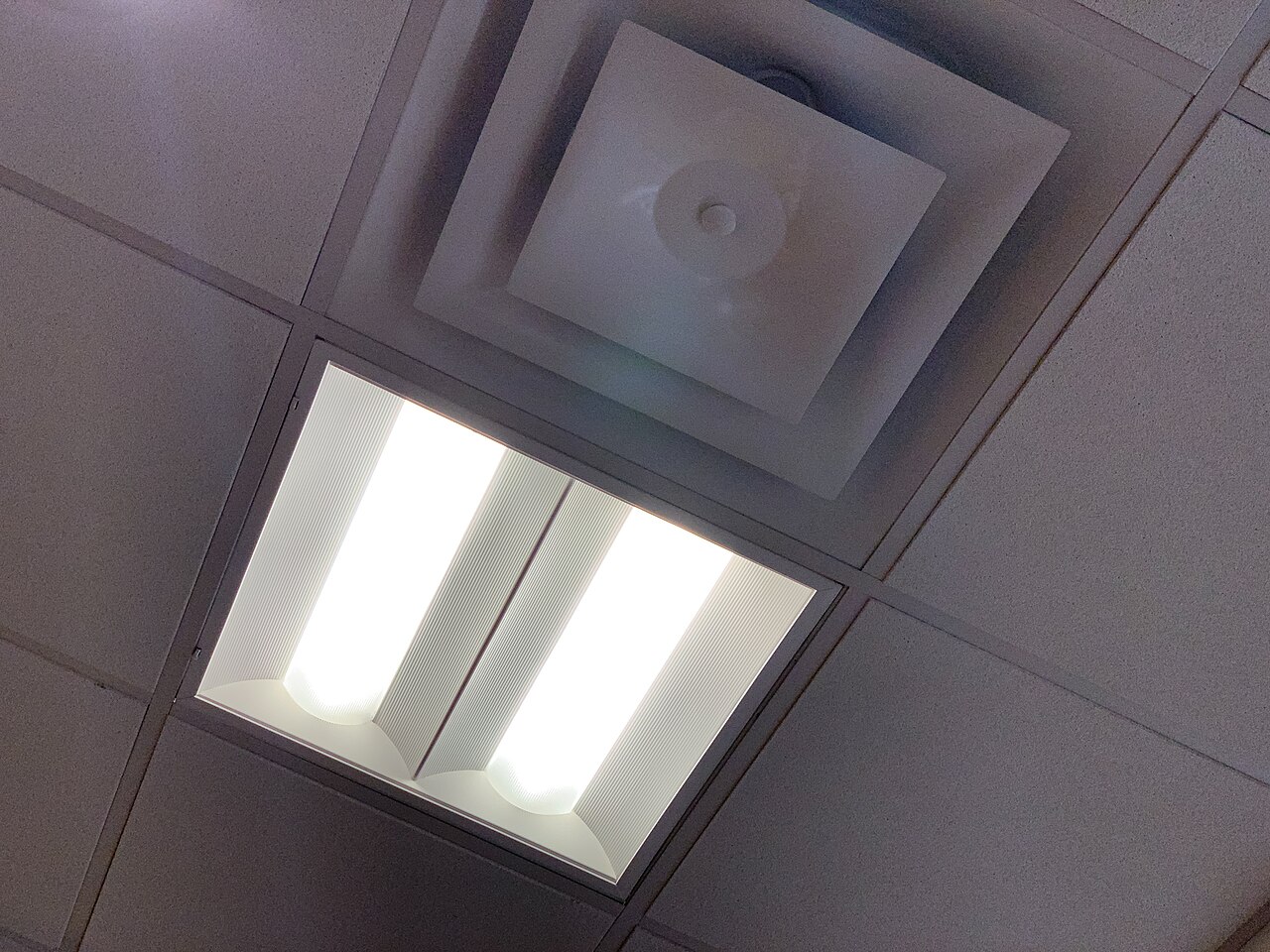
 The afternoon sun hits the stucco on NE 14th Avenue hard enough to warm the pavement through your sandals. Inside, the AC runs steady, but the guest bedroom down the hall stays shut tight — door closed, vent covered with a magnetic sheet from the hardware store. You figured why cool space nobody uses? The electric bill last August said otherwise, creeping past $320 even with the thermostat set at 78. Your neighbor two doors down swore closing vents cut her bill by twenty bucks. Your brother-in-law in Fort Lauderdale said it burned out his blower motor. Same street, same heat, opposite stories. You just want to know which one is right before the next billing cycle.
Closing vents in unused rooms usually hurts more than it helps. Your duct system is sized to move a specific amount of air; blocking supply vents raises static pressure, which makes the blower work harder, uses more electricity, and can freeze the evaporator coil or crack the heat exchanger. Most homes in Hallandale Beach and Broward see higher bills and shorter equipment life, not savings.
Why do people close vents in unused rooms?
It makes sense on paper. You pay to cool air. If a room sits empty — guest bedroom, formal dining, kids away at college — why push cold air into it? Close the vent, redirect that air to the rooms you live in, save money. The logic feels solid. In South Florida, where AC runs eight to ten months a year, any trick that might lower the FPL bill gets attention. Magnetic vent covers cost six dollars at the big-box store on Hallandale Beach Boulevard. People try it because the upfront cost is near zero and the promise sounds plausible.What actually happens when you close supply vents?
Your air handler doesn't know a vent is closed. It keeps spinning at the same speed, trying to push the same volume of air through a smaller opening. Imagine blowing through a drinking straw versus a garden hose. The straw fights back. That resistance is called static pressure. When static pressure climbs, the blower motor draws more amps to keep spinning. More amps means more watts on your meter. The air that does escape comes out faster and louder — you might hear a whistle at the remaining open vents. Meanwhile, the closed-off room turns into a pressure pocket. Hot, humid air from the attic or outside seeps in around windows and baseboards to equalize. That moisture rides back into your ductwork every time the system cycles.How does static pressure work in your duct system?
Think of your ductwork like a loop of garden hose with holes poked along the length. The blower is the faucet. Water (air) pushes out each hole (vent) at a steady rate. Cover half the holes with tape. Pressure builds inside the hose. The faucet (blower) strains. Water shoots out the remaining holes harder, but total flow drops. The pump works harder for less result. That's static pressure in one picture. Now picture it another way. Your heart pumps blood through arteries. Pinch off a few vessels. Pressure spikes. The heart muscle thickens trying to overcome the resistance. Over time, the pump wears out. Your blower motor is that heart. It's designed for a specific pressure range — usually 0.5 inches of water column for residential systems. Closing two or three vents in a typical Hallandale Beach home can push static pressure well above the design range. The motor runs hot. Windings degrade. Capacitors fail. You don't hear it happen. You just wake up one July morning to warm air from the vents and a costly repair bill.Can closing vents damage your air handler or furnace?
Yes. Three main failure modes show up in our service calls across Broward. First, the evaporator coil freezes. Low airflow across the coil means refrigerant stays too cold. Ice builds, blocks airflow further, and the system runs continuously without cooling. You'll see water pooling at the air handler in the garage or closet when it finally thaws. Second, the heat exchanger cracks. In winter, when the furnace fires, restricted airflow lets metal overheat. Expansion and contraction cycles create stress fractures. Carbon monoxide can leak into the airstream. That's a safety issue, not just a comfort issue. Third, the blower motor burns out. We've pulled motors with windings blackened from heat, all traced back to long-term high static pressure. The motor isn't rated for that workload. It's rated for the system as designed — all vents open.Does closing vents actually save money on your electric bill?
Rarely. The blower motor consumes more power fighting the pressure. The compressor runs longer because the system can't satisfy the thermostat as efficiently. Duct leakage increases — pressurized air finds every gap at boots, seams, and takeoffs. In a typical Broward home with ducts in the attic, that leaked air is blazing-hot attic air in summer. You're paying to cool your attic. Energy researchers generally find that closing a large share of supply vents increases total system energy use. The magnetic covers cost six dollars. The extra runtime costs more within the first month.What about closing return vents — is that different?
Worse. Return vents pull air back to the air handler. Block one, and you starve the blower. It's like trying to breathe through a cloth over your mouth. The blower creates negative pressure in the return plenum. That sucks hot, dusty, humid air from the attic, crawl space, or wall cavities into the duct system through every leak. You're pulling unfiltered, unconditioned air into your living space. Pollen, insulation fibers, mold spores — whatever sits in those spaces rides the airstream into your bedrooms. We see this on duct inspections in Hallandale Beach homes where a return was blocked off for "aesthetics." The filter stays clean because air bypasses it entirely. Your lungs become the filter.Better ways to handle unused rooms in South Florida heat
Leave the vents open. Keep the door ajar two to three inches so air circulates. If the room has its own thermostat zone, set it two degrees warmer than the main living area — not off. A programmable thermostat handles this automatically. For rooms with big west-facing windows, add blackout curtains or solar film. That stops heat gain at the source. Check your insulation. Broward code requires R-30 in attics; many older homes sit at R-19. Adding blown-in fiberglass pays back faster than any vent trick. Seal duct leaks with mastic (not tape — tape fails in attic heat). A leaky duct system can lose a large share of its air before it ever reaches your rooms. Fixing that delivers real savings. Change your filter monthly when the system runs daily — more often if you have pets or nearby construction dust. Watch the video below for a visual walkthrough of this topic — a companion to the points above.When to call us
DIY is great, but some jobs need a pro. If the problem persists, you spot anything dangerous, or you'd rather have an expert handle it, call (754) 432-8931 — Hallandale Air Duct Care serves Hallandale Beach and Broward (Mon-Sat 8AM-8PM). No pressure, no upsells.