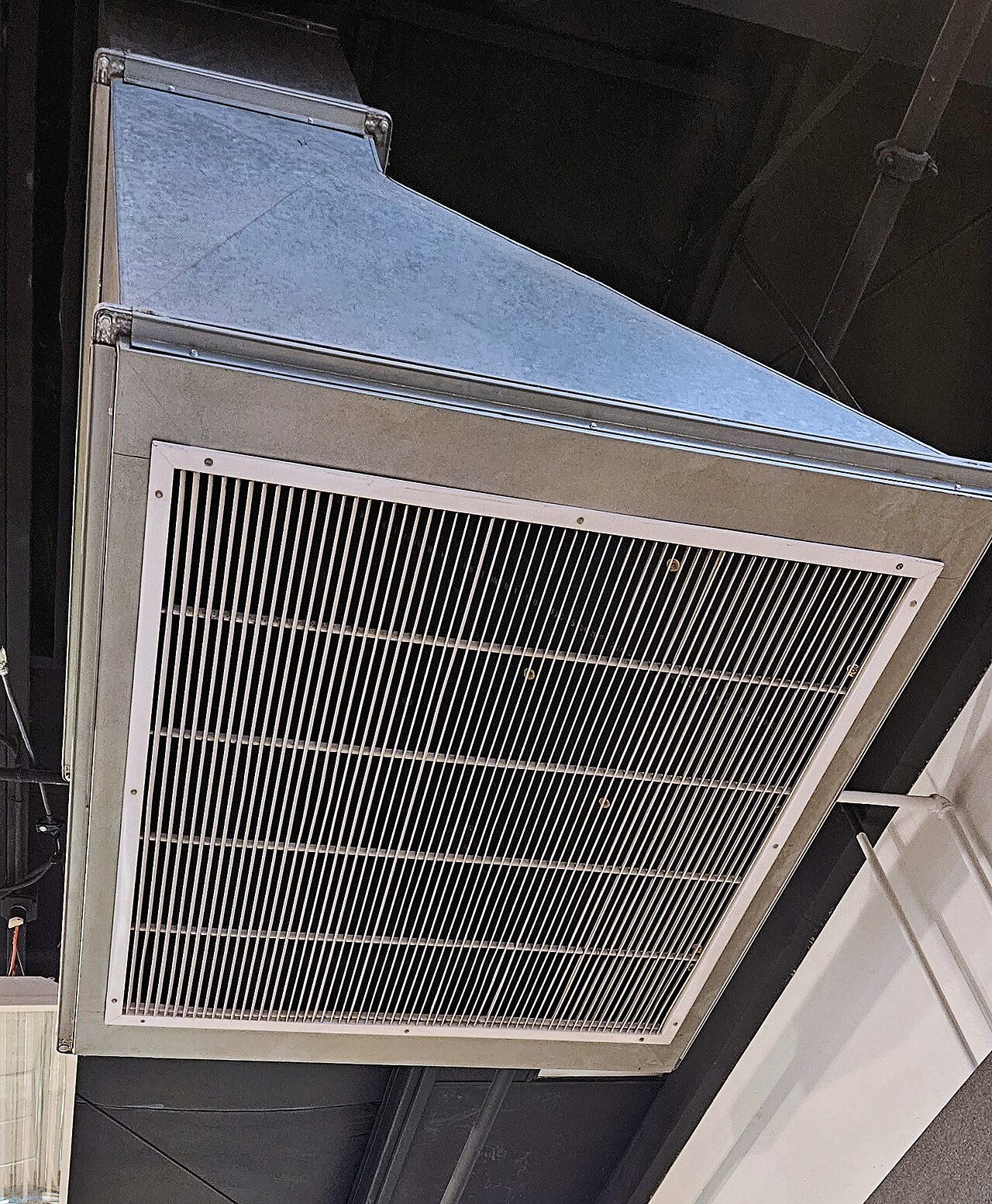
 The afternoon sun baked the stucco walls along Hallandale Beach Boulevard, and inside a ranch-style home just west of Federal Highway, the AC had been running nonstop since noon. The thermostat read 74, but the bedrooms down the hall felt like a sauna — sticky, heavy air that made the kids' allergies flare every time they lay down. The homeowner had changed the filter last month, cleared the drain line, even hosed off the condenser outside. Nothing changed. What they couldn't see was the return grille in the hallway ceiling, half-covered by a canvas tote bag someone had propped up there during hurricane prep last September. That bag had been sucking against the grille for eight months, choking the system's breath. By the time we pulled it down and vacuumed the grille face, the airflow jumped enough to feel at the far vent — cool air finally reaching the back rooms.
What is a return air pathway?
Your AC works like a loop. The blower pulls warm air from your rooms through the return grilles, pushes it across the cold evaporator coil, then sends cooled air back out through the supply vents. The return side is the "inhale" — if it's restricted, the whole system gasps. Most homes in Hallandale Beach and Broward have one or two large return grilles, often in a hallway ceiling or high on a living room wall. Some older builds use a central return in a closet ceiling. Each grille connects to a duct that runs back to the air handler. When that path narrows — from dust, insulation, a collapsed flexible duct, or something leaning against the grille — the blower works harder, runs longer, and cools less.Why do return air pathways get blocked?
South Florida humidity feeds dust into a sticky film that grabs lint, pet hair, and pollen. Over months, that film builds up on the grille louvers and the first few feet of duct behind it. Flexible duct runs in attics can sag or kink if installers didn't support them every four feet — code requires it, but shortcuts happen. Insulation batts in the attic sometimes fall against the duct and crush it flat. Homeowners accidentally block grilles with tall furniture, storage bins, or seasonal decorations. In condos near the Intracoastal, salt air accelerates corrosion on metal grille frames, warping them shut. All of it adds resistance. The blower motor pulls more amps, the evaporator coil gets too cold and can ice up, and your power bill climbs while the back bedrooms stay warm.How do I check my return air grilles?
Start with the obvious. Walk every room and find each return grille — they're usually larger than supply vents and don't have adjustable louvers. Kneel or stand on a sturdy step stool. Look for dust cakes on the grille face. Run your fingers along the louvers; if they feel gritty or sticky, that's the humidity-dust film. Shine a phone flashlight straight up into the grille. You should see clean metal duct or a smooth liner for at least a foot. If you see a gray fuzz coating, clumps of insulation, or a sagging silver tube, that's a blockage. Pop the grille off — most use two thumb screws or spring clips — and vacuum the grille face and the first 12 inches of duct with a brush attachment. Wipe the louvers with a damp microfiber cloth. Dry them before putting the grille back.How do I check inside the ductwork?
After the grille, the duct runs through the attic or between floors. You can't reach most of it, but you can check the accessible sections. In a single-story home, the air handler often sits in a garage or utility closet. The return duct connects to the side or bottom of that unit. Pull the access panel on the air handler (turn the breaker off first). Shine your light into the return opening. Look for collapsed liner, rodent nests, or a thick dust mat on the blower wheel. If you have flexible duct, follow it from the air handler back toward the grille — look for kinks, crushed sections, or spots where the outer jacket has torn and insulation spills out. In two-story homes, the return often drops inside a wall cavity. You can't see that without a camera. But you can test airflow: hold a piece of lightweight tissue paper over each return grille while the system runs. It should stick firmly. If it flutters or falls, that grille isn't pulling its share.What tools do I need?
You likely have everything already. A sturdy step stool or small ladder. A screwdriver for grille screws (usually Phillips #2). A vacuum with a hose and brush attachment — shop vac works best. A microfiber cloth and a spray bottle of water with a drop of dish soap. A bright flashlight or headlamp. A piece of facial tissue for the airflow test. Optional: a flexible inspection camera (borescope) that plugs into your phone — handy for peeking 10–15 feet into a duct run. No need for gauges, meters, or specialty HVAC tools. This is visual and tactile.What does a blocked pathway feel like?
Stand under a return grille while the blower runs. You should feel a steady, quiet pull — like a gentle vacuum cleaner hose held to your palm. If you hear a high-pitched whistle, air is forcing through a tight gap. If you feel almost nothing, the grille is choked or the duct is crushed. Walk to the farthest supply vent. Hold your hand there. The air should feel cool and move with enough force to ruffle a piece of paper held six inches away. Weak, warm, or uneven airflow at the supply vents often traces back to a starved return. The system can't push out what it can't pull in.The video below walks through the same vent-by-vent routine in a real home. The host starts with the system off, vacuums the vent covers in place with a soft brush, then takes the covers down to wash them in warm water with a little dish soap -- no steel wool -- and dries them completely before they go back up. She vacuums just inside each opening and pulls out anything visible, then puts every cover back fully open and checks that no furniture, carpeting, or drapes block them. The section on return vents is the one to watch twice: return registers collect dust by design since dirty air gets pulled through them, and the host shows which way the arrow on the filter frame should point when you slide it back in. The video also covers the monthly habits that keep returns clear -- dusting the covers, dating the filter -- and when to call a pro instead of going further yourself. It is a cleaning video, not a duct-rebuild video, which is exactly right for this article: most blocked returns are a cleaning and clearance problem, not a construction problem.
When to call us
DIY is great, but some jobs need a pro. If the problem persists, you spot anything dangerous, or you'd rather have an expert handle it, call (754) 432-8931 — Hallandale Air Duct Care serves Hallandale Beach and Broward (Mon-Sat 8AM-8PM). No pressure, no upsells.