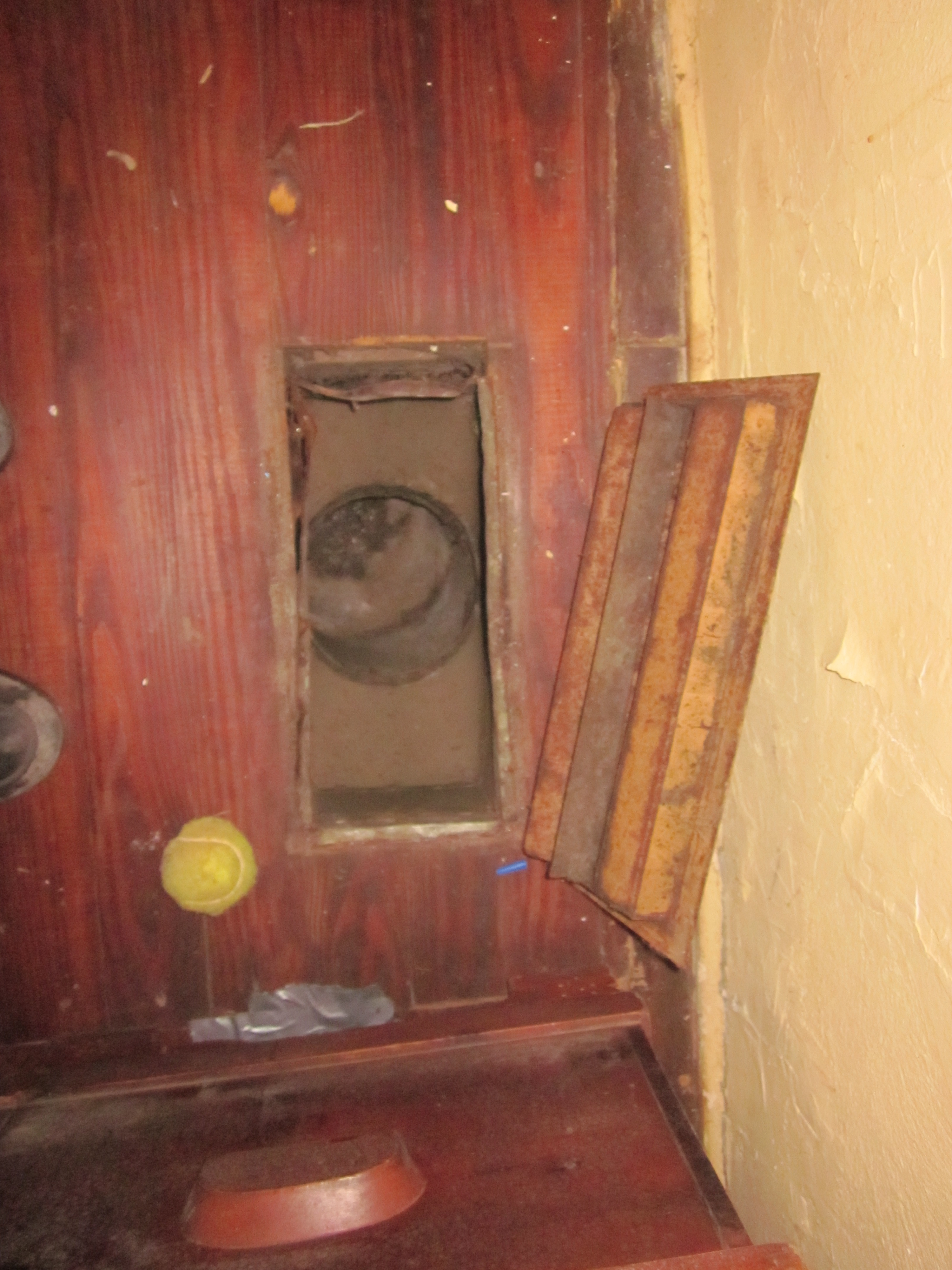
Your AC has been running almost nonstop since May — that's just life in Hallandale Beach — and lately you've started noticing things. The floor registers in the living room have a gray film you can't wipe off with a dry cloth. When the system kicks on, there's a faint puff of dust that settles on the TV stand an hour later. The covers look tired, and you suspect what's inside the first few inches of ductwork looks worse. Before you call anyone, try the shop vac method. It takes an afternoon and handles the dirtiest part of the job: the registers themselves.
Yes — vacuuming your registers with a shop vac is a real, useful DIY job. Turn off the HVAC, pull up floor registers or unscrew wall and ceiling vent covers, vacuum them with a soft brush attachment, then wash them in warm soapy water, rinse, and let them dry completely. While the covers are off, run the shop vac hose into each duct opening as far as it reaches — usually the first few feet. That's the honest limit of this method: it cleans the registers and the dust right behind them, not deep ductwork.
What exactly are you vacuuming?
The grilles you see on your floors, walls, and ceilings are called registers (the supply ones you can open and close) and return grilles (the bigger ones that pull room air back to the system). Air passes through them every time your system runs, so they collect the same stuff your home's air carries: dust, pet hair, cooking grease, lint, and in Florida, the fine grit that rides in on the ocean breeze. Return grilles usually look the dirtiest because dusty room air is always flowing in through them.
Cleaning the covers does two things. It removes the buildup you can see, and it stops loose dust from shaking off into the airstream every time the blower starts. What it doesn't do is clean deep inside your ducts — a shop vac hose reaches a few feet at most. If you go in expecting "professional duct cleaning for free," you'll be disappointed. If you go in expecting "my registers look new and the dust puffs stop," that's exactly what this delivers.
What do you need before you start?
The list is short: a shop vac with a hose and a soft brush attachment (a regular vacuum with a hose works for the covers, but the shop vac's suction is better for the duct openings), a flathead screwdriver for wall and ceiling vent screws, dish soap, a soft scrub brush or old toothbrush, rubber gloves, and an old towel. Floor registers in most homes just lift out — no tools needed.
One rule before anything else: turn the system off at the thermostat. You don't want the blower kicking on while the covers are off and pulling dust — or your vacuum hose — deeper into the duct. Give the system a minute to fully stop, then walk the house and note which covers come up easily and which are screwed in.
How do you do it, step by step?
Step 1: Remove the covers. Lift floor registers straight up and out. For wall and ceiling vents, back out the screws and keep them somewhere you won't lose them — a sandwich bag on the counter works. If a cover is stuck from years of paint, slide a flathead screwdriver under the edge gently rather than prying hard.
Step 2: Vacuum the covers in place. Before they go to the sink, run the shop vac's soft brush attachment over each cover, top and back. This knocks off the loose layer so you're not washing mud in the tub. Work top to bottom so debris falls away from clean areas.
Step 3: Wash them. Fill a tub or large sink with warm water and a squirt of dish soap — the degreasing kind if your kitchen vents are greasy. Soak the covers for 10 to 15 minutes, then scrub with a soft brush, getting between the slats. Don't use steel wool or anything abrasive; it scratches the finish and paint, and the scratches collect dust faster afterward. Rinse clean under warm water.
Step 4: Dry them completely. This step matters more in South Florida than anywhere else. Lay the covers on a towel and let them air dry fully before they go back. Putting a damp grille back into a cool, dark duct is an invitation for musty smells — moisture plus dust plus no airflow is exactly what mildew likes. If you're in a hurry, a fan pointed at them speeds things along, but don't reinstall while they're still wet.
Step 5: Vacuum inside the openings. While the covers are off and drying, fit the shop vac with the crevice tool or just the bare hose. Feed it gently into each duct opening and work it around the first few feet — that's as far as most hoses reach, and that's fine. You'll pull out cobwebs, crumbs, pet hair, and the dust cakes that collect right behind the grille. Don't force the hose around bends or push hard; ductwork isn't built for wrestling, and a kinked flex duct is worse than a dusty one. If you can see something with a flashlight that the hose can't reach, leave it — that's the line between DIY and pro equipment.
Step 6: Check the filter, then put everything back. With the covers off, it's the perfect time to look at your HVAC filter. If it's gray, swap it — a clean filter is what keeps your freshly cleaned registers from loading up again in a month. Reinstall the dry covers, open the dampers, and make sure furniture, rugs, and drapes aren't blocking any of them. Then turn the system back on.
What the video shows
Emily Counts' "How To Clean Air Vents" walks the same process on camera: turning the HVAC off, pulling up floor registers and unscrewing wall vents, washing the covers in warm soapy water with a scrub brush, rinsing and air drying them, then vacuuming the duct openings with a shop vac hose. It's an honest look at how much grime comes out of ordinary household registers — and how straightforward the job is.
When is it time to call a pro instead?
The shop vac method has a clear boundary, and knowing it keeps you from wasting a Saturday. Call a professional if you see mold or heavy black spotting inside the duct openings, if there's a persistent musty smell even with a clean filter, if you find signs of rodents or insects in the ducts, or if the buildup is thick and caked beyond what the hose reaches. Those jobs need the negative-air machines and agitation tools that pros bring — a shop vac can't substitute for them.
But for dusty registers and the first few feet of duct? You've got this. And if you try it and decide you'd rather have a pro handle the whole system, Hallandale Air Duct Care serves Hallandale Beach and Broward, Monday through Saturday from 8am to 8pm. Call (754) 432-8931 and an air duct specialist will take it from there.