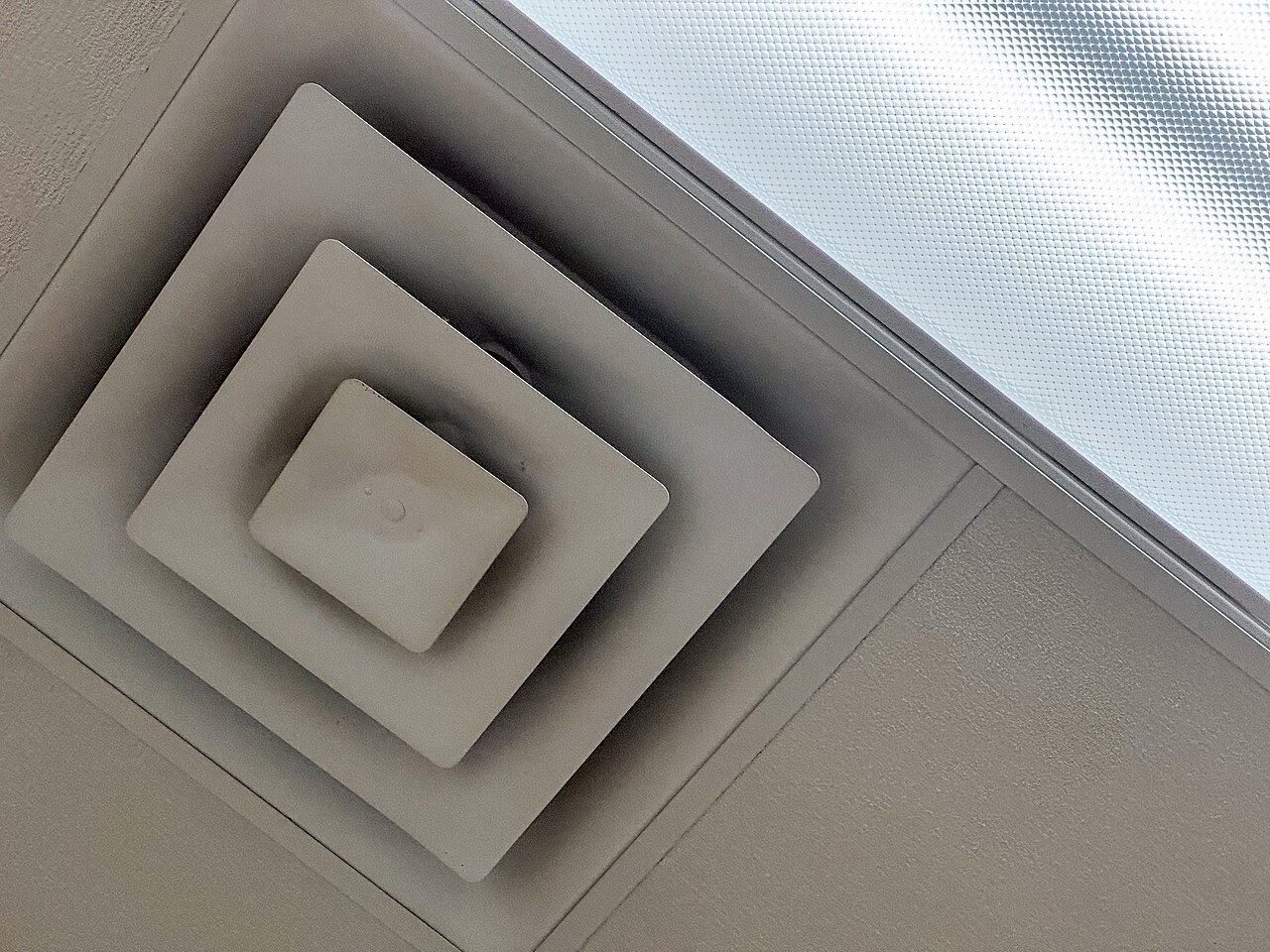
Picture a Saturday afternoon in Hallandale Beach, the air so thick your shirt sticks to you. You're in the living room, hand over the supply vent, and the air coming out feels like a tired sigh instead of a breeze. The rest of the house is cool. This one room isn't. You look closer: the vent cover matches the wall exactly, fresh from the last repaint, and the little louvers won't budge when you nudge them. That vent isn't broken. It's painted shut.
A vent gets painted shut when a painter (or a well-meaning landlord) sprays or rolls paint straight over the vent cover, sealing the adjustable louvers to the frame. The paint film acts like glue across the tiny gaps the louvers need to move. You can free it yourself with a utility knife, a plastic scraper, and patience — score the paint seams, work the louvers loose, and clean the edges. Call a pro if multiple vents are stuck, the cover is cracked or rusted, or you smell mildew when the system runs.
Why does paint seal a vent shut so completely?
Think of a vent louver like a set of tiny doors hinged inside a frame, each about an inch tall with a gap thinner than a credit card between neighbors. Latex paint is liquid plastic: brushed across the cover, it flows into those hairline gaps and cures into one continuous film — louvers, frame, and wall become a single piece. It's like gluing a zipper shut: the teeth are still there, but nothing moves.
In South Florida this happens constantly, because rental turnovers and condo repaints run year-round and nobody pulls the vent covers before the roller comes through.
How do I know the vent is painted shut and not something else?
Weak airflow at one vent while the rest of the house blows fine is the signature symptom. Walk the house and hold your hand over every supply vent — the painted one will feel noticeably weaker, and its room will run a few degrees warmer. Look at the cover: if the louvers are the exact same color and sheen as the wall, with no visible seams between the slats, paint is your culprit. Press a louver gently with your fingertip — a working louver rocks on its pivot; a painted one feels like a solid plate.
There is one more tell, and it matters for your family: a painted-shut vent traps the same pocket of air against the duct for months, and in our humidity stagnant air grows musty fast. If that room smells stale or your kids' allergies flare up in that room and nowhere else, the sealed vent is choking off the air changes that keep indoor air fresh.
What tools do I actually need?
- A sharp utility knife with a fresh blade (for scoring the paint seams)
- A plastic putty knife or old credit card (for prying without gouging metal)
- A soft brush or old toothbrush (for clearing paint crumbs from the slots)
- A damp microfiber cloth, gloves, and safety glasses
Skip the heat gun unless you've used one before. On a painted metal vent, 300°F softens paint in under a minute — but it also blisters the paint on the surrounding drywall. A knife is slower and far more forgiving.
How do I free the vent, step by step?
1. Kill the airflow first. Set the thermostat fan to OFF so the blower is fully stopped — working on a vent while the system pushes air blows paint dust into the duct.
2. Score every seam. With a fresh blade, trace where each louver meets the frame and where the cover meets the wall. Light pressure, two or three passes — you're cutting the paint bridge, not the metal. You'll feel the blade drop slightly when it finds the real seam.
3. Work the louvers loose. Slide the plastic putty knife under one louver's edge and rock it gently, a millimeter at a time. Don't force it — if a louver won't move, score that seam again. The paint lets go with a soft tick.
4. Free every louver and clean the slots. Once everything moves, swing each louver through its full travel a few times to break remaining paint threads in the pivots, then brush the loosened flakes out with the toothbrush and wipe the slot edges with the damp microfiber cloth. Paint crumbs left behind will glue the louvers shut again the next time humidity swells them.
5. Test it. Turn the fan back on and hold your hand over the vent. You should feel a steady, even stream instead of the weak sigh — the room should start evening out within the hour.
Can I watch someone do this first?
Yes — and you should, because the scoring motion is easier to copy than to read about. In this short video, Leah at See Jane Drill frees a window sash that was painted shut: she scores the paint seal along the seam, then works the sash free a little at a time instead of forcing it. Your vent louvers need the exact same treatment — score first, wiggle second, never pry hard — just use a lighter touch and a plastic tool where the finish matters.
Video summary: A DIY educator demonstrates freeing a painted-shut window sash — scoring the paint seal with a knife along every seam, then working the sash loose gradually. The technique transfers directly to vent louvers: score the paint bridge first, then rock each louver free instead of forcing it.
What should I do so this doesn't happen again?
Next time the place gets painted, pull the vent covers first — two screws, thirty seconds each. Wash them in warm soapy water, dry fully, and reinstall. While they're off, peek into the duct with a flashlight: gray felt-like dust matted on the metal means the ducts are due for attention.
If you're renting, photograph the freed vent and send it to your landlord with the date. Painted-shut vents are a maintenance issue, not damage you caused — the photo protects your deposit conversation later.
When should I call Hallandale Air Duct Care instead?
DIY covers one stuck vent. Call us at (754) 432-8931 when the job is bigger than a knife and a free afternoon:
- Three or more vents in the house are painted shut — that usually means the ducts behind them haven't breathed properly in a long time, and a full system cleaning is the real fix.
- The vent cover is cracked, rusted through, or the louvers snap instead of swinging — freed paint won't save a cover that's falling apart.
- You smell mildew or a sour, sock-like odor when the AC kicks on — that's microbial growth in the duct, and no amount of louver-wiggling reaches it.
- The vent is somewhere you can't safely reach, like a 12-foot ceiling in a stairwell.
We serve Hallandale Beach and all of Broward, Monday through Saturday, 8AM to 8PM. When we come out, we clean the whole duct run — not just the cover — so the airflow you freed actually has clean ductwork behind it. No pressure, no upsells: if it's a one-vent job you already handled, we'll tell you so.